
player
Lev Yashin: Ballon d'Or, Dynamo Moscow and Goalkeeping Legacy
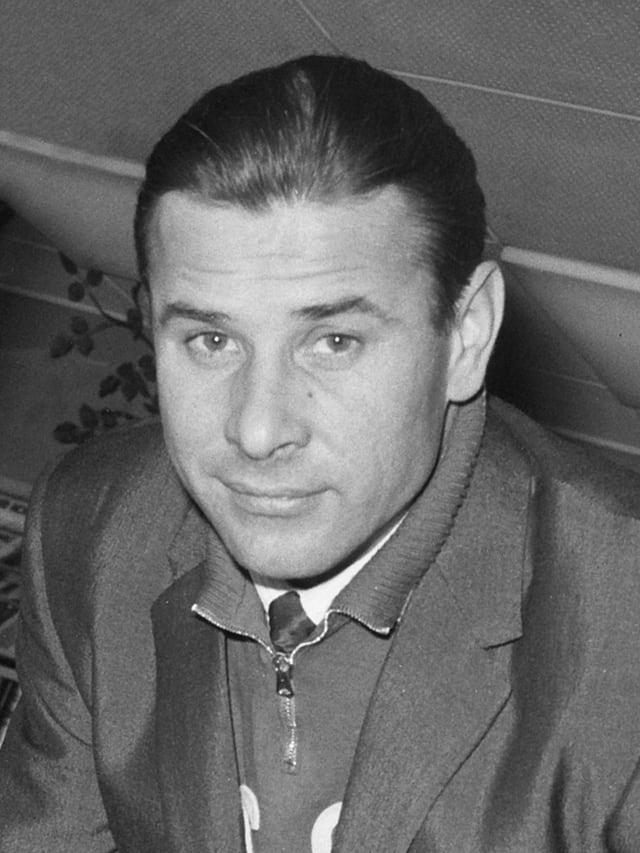
Lev Yashin profile covering his Dynamo Moscow career, 1963 Ballon d'Or, active goalkeeping style and place among the greatest keepers ever.
Summary
Yashin became the historical standard for the position because he combined elite saving with a more active, commanding interpretation of what a goalkeeper could control.
Quick facts
- Primary role
- Goalkeeper
- Senior club
- Dynamo Moscow
- National team
- Soviet Union
- Defining award
- 1963 Ballon d'Or
- Historic distinction
- Only goalkeeper to win the Ballon d'Or
- All-time goalkeeper ranking
- #2 in The Top Football's list
Dynamo Moscow and one-club identity
Lev Yashin’s senior club story belongs to Dynamo Moscow. That continuity makes the profile unusually clear: the club environment, the goalkeeper and the public image grew together rather than being spread across several leagues and transfer eras.
His reputation travelled far beyond domestic football through the Soviet national team and major international tournaments. FIFA’s account presents him as both an exceptional shot-stopper and a goalkeeper whose authority changed expectations of the role.
The 1963 Ballon d’Or
The 1963 Ballon d’Or is the simplest way to explain Yashin’s historical status, but it should not become the whole case. He remains the only goalkeeper to win the award. That distinction tells us how dramatically his contemporaries valued him in a prize usually controlled by attacking players.
Awards from different eras cannot settle every modern ranking argument. This one still matters because it confirms that Yashin was not merely remembered later as a pioneer. He was recognised at the time as one of football’s defining players.
A more active model of goalkeeping
Yashin’s image is tied to black clothing, sharp reflexes and dramatic reach. The deeper influence came from command. He was willing to leave the line, claim space and direct the defensive phase rather than wait passively for a shot.
Modern goalkeeping uses different equipment, pitches and tactical structures, so a direct technical comparison has limits. The useful comparison is relative to the era: Yashin expanded what teams expected from the person behind the defence.
International pressure and reputation
International football made Yashin visible to opponents who did not see Dynamo Moscow every week. The position magnified every error, yet his wider reputation survived the uneven nature of tournament football and became stronger over time.
That is why his place in the greatest World Cup players of all time conversation is about more than a trophy count. His presence helped define how the global game imagined an elite goalkeeper.
Why Yashin ranks second
Yashin is second in our best goalkeepers of all time ranking. Buffon has the broader longevity case, while Manuel Neuer supplies the clearest modern tactical revolution. Yashin owns the strongest historic-icon argument.
The Ballon d’Or gives that argument a headline. His command of the penalty area and active interpretation of the job give it substance.
Sources
Sources checked
FAQ
Did Lev Yashin win the Ballon d'Or?
Yes. Yashin won the Ballon d'Or in 1963 and remains the only goalkeeper to have won the award.
Which club did Lev Yashin play for?
Yashin spent his senior football career with Dynamo Moscow and represented the Soviet Union internationally.
Why was Lev Yashin called the Black Spider?
The nickname connected his dark goalkeeping kit with the reach and presence he seemed to have across the penalty area.