
derby
El Clásico: Real Madrid vs Barcelona Rivalry
El Clásico history from the 1902 meeting and 1929 league debut through Cruyff, Messi-Ronaldo, the latest result and the scheduled 2026/27 meetings.
Summary
El Clasico starts with Madrid and Barcelona. It rarely stops there.
Quick facts
- Clubs
- Real Madrid and Barcelona
- Rivalry type
- National, cultural, competitive and global
- First meeting
- 13 May 1902 in the unofficial Copa de la Coronación
- First LaLiga meeting
- 17 February 1929
- Latest meeting checked
- Barcelona 2-0 Real Madrid, 10 May 2026
- Next scheduled meeting
- Barcelona vs Real Madrid, 25 October 2026 at 21:00 (peninsular Spain time)
- Page focus
- Rivalry eras, defining matches, current scope and global attention
Real Madrid and Barcelona first met before LaLiga
Barcelona and Madrid Foot-Ball Club first met on 13 May 1902 in the Copa de la Coronación, a tournament now treated as unofficial by the Spanish federation. Barcelona won the semi-final 3–1. Regular league Clásicos could not begin until a national league existed: Real Madrid won the first LaLiga meeting 2–1 at Les Corts on 17 February 1929, while Barcelona won the return match and the inaugural league title.
Those beginnings explain two common counting problems. The first meeting was not a LaLiga match, and some all-time records include the 1902 tournament while others start with official competition. FC Barcelona’s official El Clásico history also separates the early friendlies and cup meetings from the fixture’s later league rhythm.
El Clásico is not a neighbourhood derby. Its tension grew from competition between Spain’s two most successful modern football institutions, the Madrid–Barcelona axis and contrasting club identities. Cultural and political meanings have often been attached to the fixture, but no single political shorthand explains every era or every supporter.
Di Stéfano and Cruyff changed the rivalry’s eras
The contested pursuit of Alfredo Di Stéfano in the 1950s sharpened the rivalry before his Real Madrid teams dominated the first age of the European Cup. Two decades later, Johan Cruyff became the face of a different Barcelona. The 5–0 win at the Bernabéu in February 1974 was not just a large away score; it became attached to Barcelona’s first league title in 14 years and to the club’s renewed confidence.
The Cruyff influence returned through coaching. His Barcelona “Dream Team” won four consecutive league titles, and the clubs traded 5–0 home wins in 1994 and 1995. These swings are more useful than a flat honours list because they show how one side’s apparent control can become the other side’s motivation.
European Clásicos raised the stakes
Real Madrid and Barcelona rarely meet in Europe, which makes those ties unusually revealing. Barcelona eliminated Madrid in the 1960/61 European Cup, ending Madrid’s run of five consecutive titles. In the 2001/02 Champions League semi-final, Madrid won 2–0 at Camp Nou and progressed 3–1 on aggregate before lifting the trophy. Barcelona reversed the semi-final outcome in 2010/11 and then won the final at Wembley.
UEFA’s review of the European Clásicos shows why competition scope matters. A league rivalry becomes something else when the reward is a place in the European Cup final.
Messi and Ronaldo turned El Clásico into a global player argument
Pep Guardiola’s Barcelona won 6–2 at the Bernabéu in 2009 and 5–0 at Camp Nou the following year. José Mourinho’s Real Madrid responded by making the fixture more physically and tactically confrontational across LaLiga, the Copa del Rey, the Spanish Super Cup and the Champions League.
Lionel Messi and Cristiano Ronaldo then gave nearly every meeting a second scoreboard. Club results, individual goals and the wider argument over the best player of the era became inseparable. That period also explains the fixture’s modern global reach: viewers could follow a title race, a tactical conflict and a player rivalry in the same match.
The stars mattered, but the teams made the era durable. Barcelona’s academy core and positional play met Madrid sides built around transition, elite finishing and repeated European success. Reducing those matches to Messi versus Ronaldo misses the structures that created their chances.
Latest result and 2026/27 schedule checked on 30 September 2026
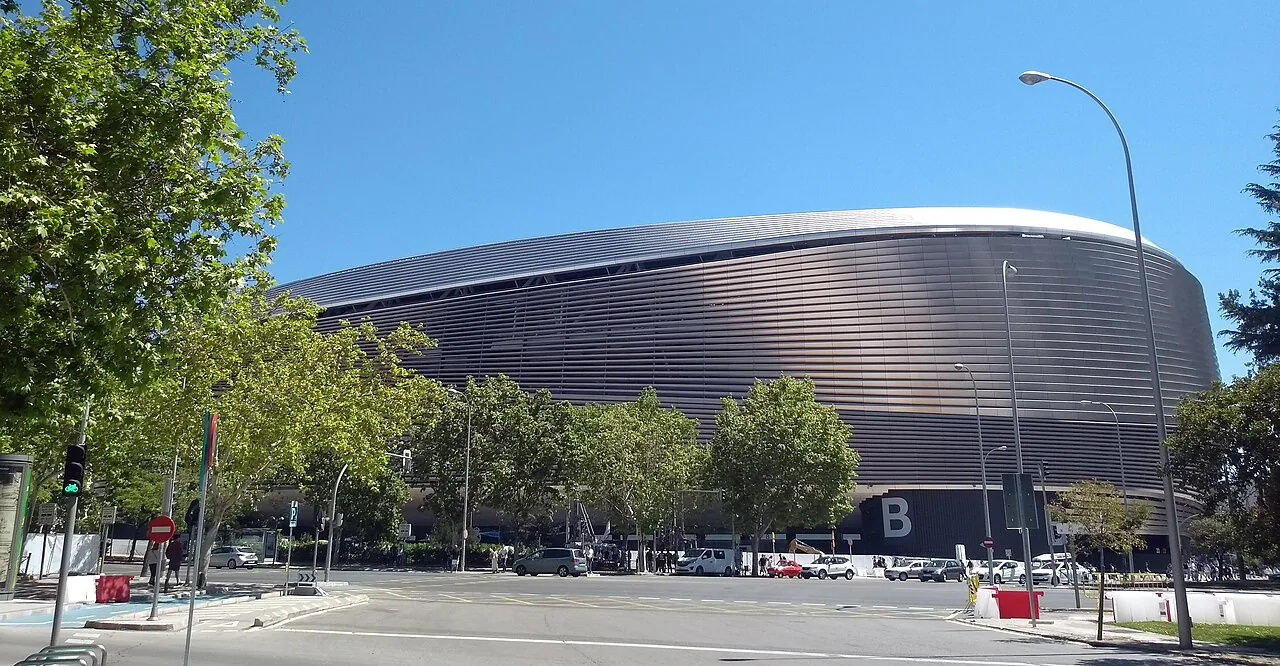
The two league meetings split one win each. Real Madrid won 2–1 at the Bernabéu on 26 October 2025, with Kylian Mbappé and Jude Bellingham scoring around Fermín López’s equaliser; the club’s match report provides the dated first-leg record.
Barcelona won the return 2–0 at Spotify Camp Nou on 10 May 2026 through goals from Marcus Rashford and Ferran Torres. That remained the latest completed league Clásico when this page was checked on 30 September 2026, according to LaLiga’s official fixture page.
The clubs are scheduled to meet at Spotify Camp Nou on 25 October 2026 in matchday 10, then at the Bernabéu on 9 May 2027 in matchday 35. FC Barcelona’s official 2026/27 schedule lists the October match at 21:00 peninsular Spain time; the May return still has no confirmed kick-off time. Future fixtures should be rechecked before travel.
Why incidents and raw head-to-head totals are not enough
A red card, disputed decision or famous goal can explain one edition, but not the rivalry. All-time totals also need a declared scope: LaLiga only, all official competitions, or a broader count that includes the unofficial 1902 tournament and friendlies. Without that definition, two accurate sources can appear to disagree.
The more durable approach follows control across eras. Which club represented the tactical future? Which team carried the title pressure? Did the match decide a trophy, a European tie or only three league points? Those questions keep the page useful after the next result changes the raw totals.
Why El Clásico ranks above most football rivalries
El Clásico combines longevity, elite sporting stakes, two enormous supporter bases and repeated reinvention. It can matter inside LaLiga, decide a domestic cup, or occasionally become a European knockout tie. Few rivalries can move between those settings without losing their identity.
Its comparative weakness is that it is not a local derby with one shared matchday city. Its advantage is wider scale: Madrid and Barcelona bring different institutions, stadiums, football traditions and global audiences into the same argument. That balance is why the rivalry survives the departure of any one superstar.
Sources
Sources checked
FAQ
Is El Clasico only a local derby?
No. It works more like a national and global football event than a neighbourhood derby.
Why is El Clasico important?
It matters because Barcelona and Real Madrid keep meeting with trophies, identity and player-era arguments attached.
Why is it always near the top of rivalry lists?
The fixture keeps combining elite teams, title pressure, global attention and era-defining players.
Should this page use head-to-head totals?
Only with a dated source and a clear competition scope, because sources can treat friendlies and unofficial matches differently.
What was the latest league Clásico when this page was checked?
As of 30 September 2026, LaLiga records Barcelona's 2-0 home win over Real Madrid on 10 May 2026 as the latest completed league meeting.
When is the next El Clásico scheduled?
FC Barcelona's official schedule lists the next league Clásico at Spotify Camp Nou on 25 October 2026, at 21:00 peninsular Spain time. The return at the Bernabéu is listed for 9 May 2027, with its kick-off time still to be announced.